 Free text 078 6005 2906
 247 Helpline 0808 808 8141
 Please donate
 Shop Now
Economic Abuse Awareness Day: The Hidden Costs Older People Keep Carrying
Economic abuse is a pervasive form of harm facing older people. It strips away more than money: it removes independence, erodes trust, forces people into unsafe situations, and can trap victim-survivors in cycles of coercion, neglect and family pressure long before anyone names it as “abuse”.
LPA Abuse – A growing issue
Growing concern about Lasting Power of Attorney (LPA) abuse forms a major part of this picture. At our Safer Ageing Summit earlier this month, our dedicated panel on LPA reform - featuring legal experts, advocates and families affected by “Willie’s Law” - highlighted how easily LPAs can be misused when safeguards are weak, oversight is inconsistent, and assumptions of family trust go unchallenged. The current system leaves too many older people exposed to exploitation, control and catastrophic loss of assets.
This week’s new figures from the Office of the Public Guardian (OPG), the organisation tasked with managed LPAs, paint a stark picture of how abuse is escalating and how our systems are struggling to keep pace.
The OPG has reported 11,266 concerns about abuse, a 6.5% increase on the previous year (10,577). And crucially, this figure has returned to public view after a year of silence, when it took an FOI request just to extract the number. Transparency is not optional when people’s life savings and autonomy are at risk.
Despite the rise in concerns, the proportion escalated to full investigation has fallen from 34.5% to 33.9%. It’s only a small dip, but it suggests a system under strain, one where more alarms are being raised, yet fewer are being examined in depth. The most worrying trend is at the serious end: concluded investigations now lead to Court of Protection action nearly twice as often, rising from roughly 433 to around 832.
Our Research
Hourglass’ Economics of Abuse report highlights why older people face particularly high risks:
-
Many older victim-survivors don’t recognise economic abuse until money has gone.
-
Adult children and intimate partners are frequent perpetrators, often under the guise of “helping”.
-
Digital exclusion, cognitive decline, ill-health and dependency create opportunities for exploitation.
-
Frontline professionals still report inconsistent understanding and unclear referral pathways.
In many cases, the losses stretch into tens or hundreds of thousands, permanently altering care options and life choices. Our figures show £53m has been stolen or defrauded from older people over the last three years.
Today’s Budget
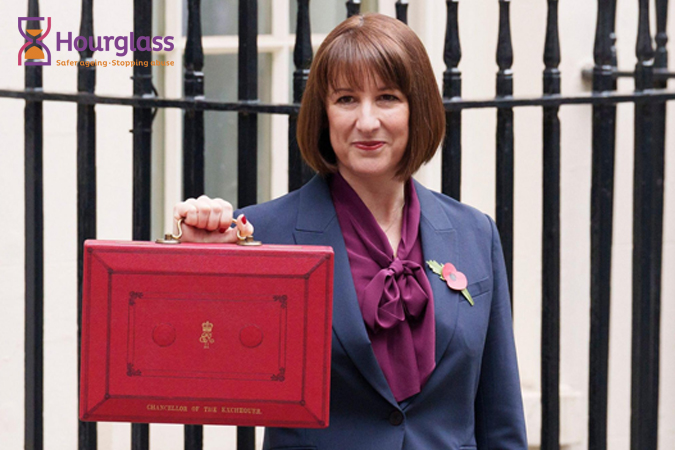
A short word on the Budget – which was also today, in a co-incidence almost too on-the-nose. Though it includes some welcome measures - such as the State Pension uplift and reductions in energy bills - many older people will still feel the ground shifting beneath them. You can read our full reaction here.
Freezing personal tax allowances until 2028 and increasing taxes on dividends, property and savings income will hit households already struggling to maintain financial stability. For older people who are asset-rich but income-poor, any additional cost pressures can become a tipping point into dependence, vulnerability or exploitation.
And the freeze to employer National Insurance thresholds will place fresh pressure on charities, care providers and safeguarding teams, which are the very services already facing rising demand from complex economic abuse cases. Economic insecurity fuels abuse. That link must be recognised in future fiscal decisions.
What needs to be done
Economic Abuse Awareness Day cannot just be an annual reminder of the harm older people endure. It must be a moment for action:
-
Embed economic safeguarding across health, care, banking and justice systems.
-
Invest in specialist advocacy and frontline capacity, so fewer cases reach crisis point.
-
Strengthen early-intervention pathways, especially for families under economic pressure.
-
Recognise economic abuse as central to safer ageing, not a specialist niche.
Older people deserve economic independence, dignity and safety throughout later life, not a system that only catches abuse once the damage is already done.
If you or anyone you know is affected by abuse call our free 24/7 confidential Helpline
0808 808 8141
Our helpline is entirely confidential and free to call from a landline or mobile, and the number will not appear on your phone bill.


